

Sarasota Real Estate
Coastal & Waterfront
Bird Key

By John Acosta, Real Estate Advisor | Fine Properties
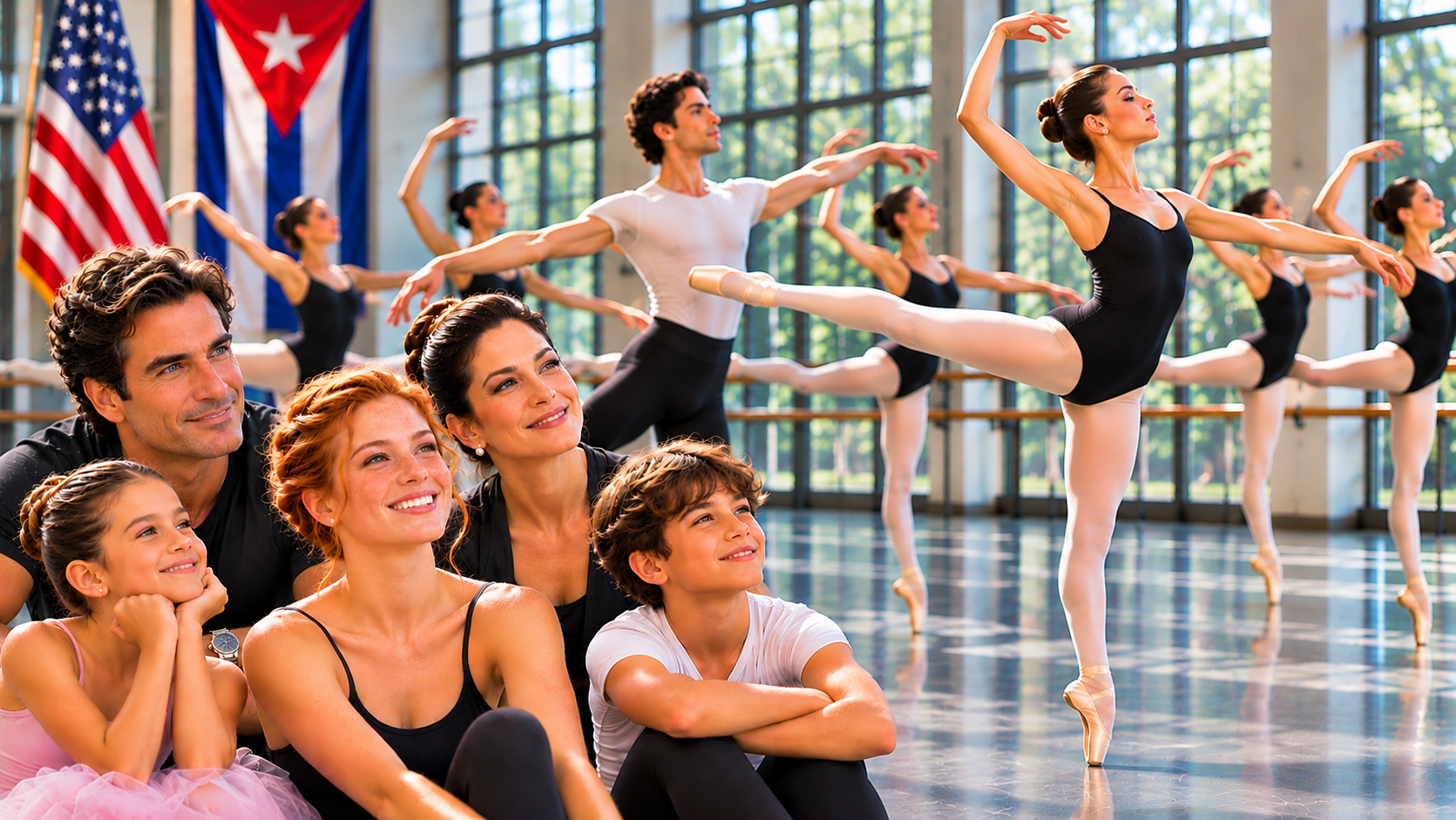
 There is something remarkable about a ballet studio before the applause begins.
Long before the audience takes its seats, before the curtain rises and the orchestra introduces the first notes of a familiar score, the work is already underway.
A dancer returns to the barre. A teacher studies an adjustment in placement. A familiar exercise becomes an opportunity to refine something almost imperceptible: the relationship between movement and music, the quality of a transition, the discipline required to make an extraordinary physical achievement appear effortless.
The public sees ballet as performance. The dancer comes to understand it as a process.
At Sarasota Cuban Ballet School, in a studio and small auditorium set among the trees of a nine-acre wetland preserve on Cattlemen Road, that process carries a history stretching far beyond Florida's Gulf Coast.
Its foundations lie in a distinctive tradition of classical ballet. Generations of Cuban dancers and teachers built that tradition. Artists whose careers took them far from the studios where they first trained carried it across national borders.
Among those artists were Ariel Serrano and Wilmian Hernández.
They arrived in Florida with their training and very little else. In Sarasota they raised a family and built a school, and eventually they founded a professional youth company. Its reach now extends well beyond the walls where it began.
To understand the foundations of Sarasota Cuban Ballet School, one must first recognize the extraordinary artists and teachers who shaped classical ballet in Cuba.
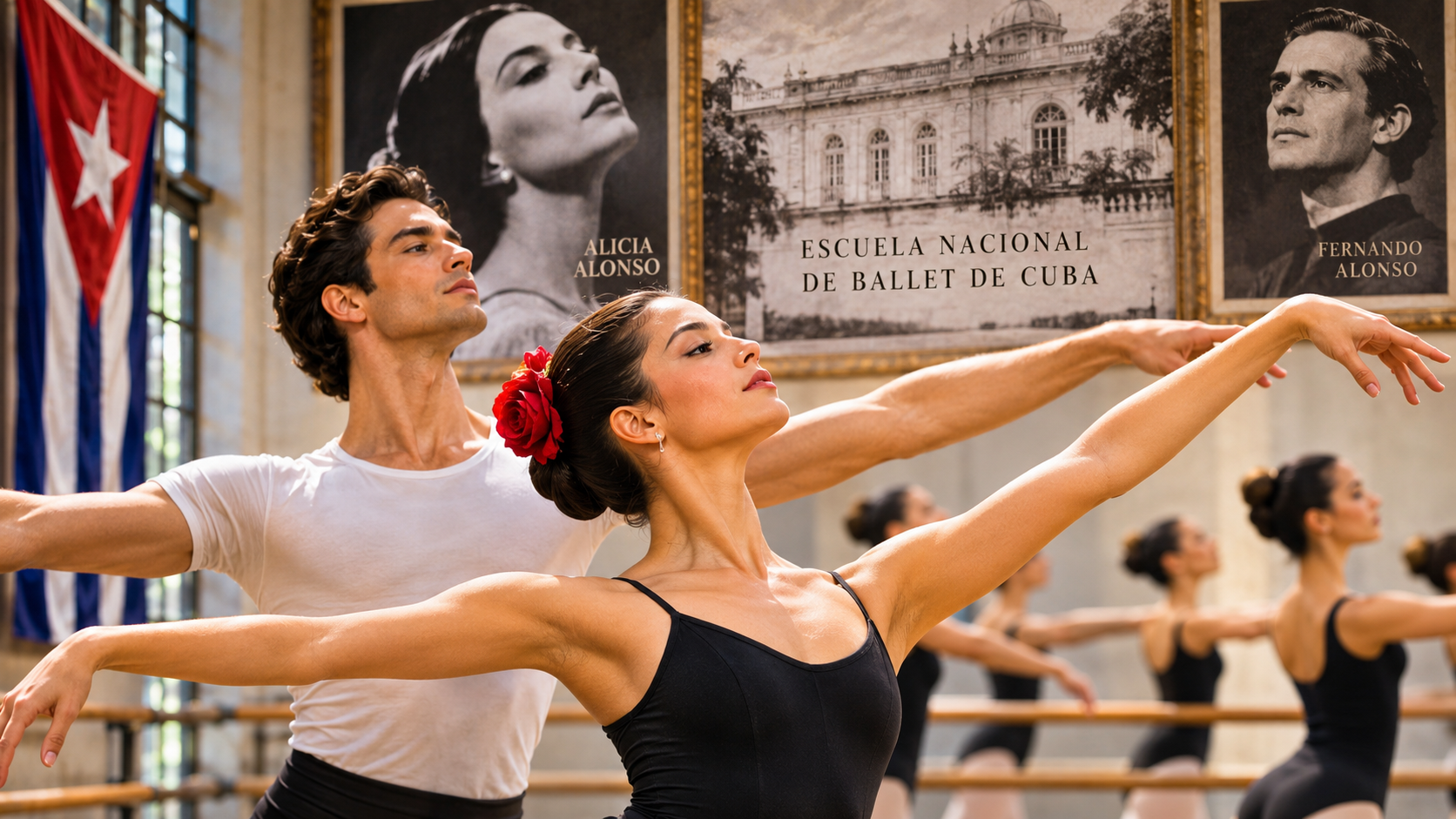
 Alicia Alonso, one of the most celebrated ballerinas of the twentieth century, helped bring Cuban ballet to international prominence. In 1948, she joined Fernando Alonso and his brother, choreographer Alberto Alonso, in founding the company that would become the Ballet Nacional de Cuba. Together, they helped establish an artistic tradition in which classical ballet became an enduring part of Cuba's cultural identity.
Fernando Alonso's contribution extended far beyond the stage. As a teacher and educator, he helped develop the systematic approach to training that became known as the Cuban method, drawing upon established European ballet traditions while cultivating the strength, musicality, precision, and expressive qualities associated with Cuban dancers. His influence reached generations of students, including Ariel Serrano and Wilmian Hernández during their professional careers at Ballet de Camagüey.
Equally deserving of recognition is Ramona de Saá, the distinguished teacher and longtime director of Cuba's National Ballet School in Havana. Under her leadership, the institution helped prepare generations of dancers for professional careers. She was also a teacher and mentor to Serrano, giving Sarasota Cuban Ballet School a particularly meaningful connection to the institution where its founders trained. According to the Sarasota school, de Saá later adapted the Cuban ballet curriculum for its students, helping carry that educational tradition into a new setting.
The National Ballet School of Cuba and the professional Ballet Nacional de Cuba are separate institutions, but their histories are deeply connected through the country's commitment to ballet education and performance.
That legacy now reaches Sarasota. Through the work of Ariel Serrano, Wilmian Hernández, their faculty, and their students, an artistic tradition developed across generations continues to find new expression—one class, one rehearsal, and one dancer at a time.
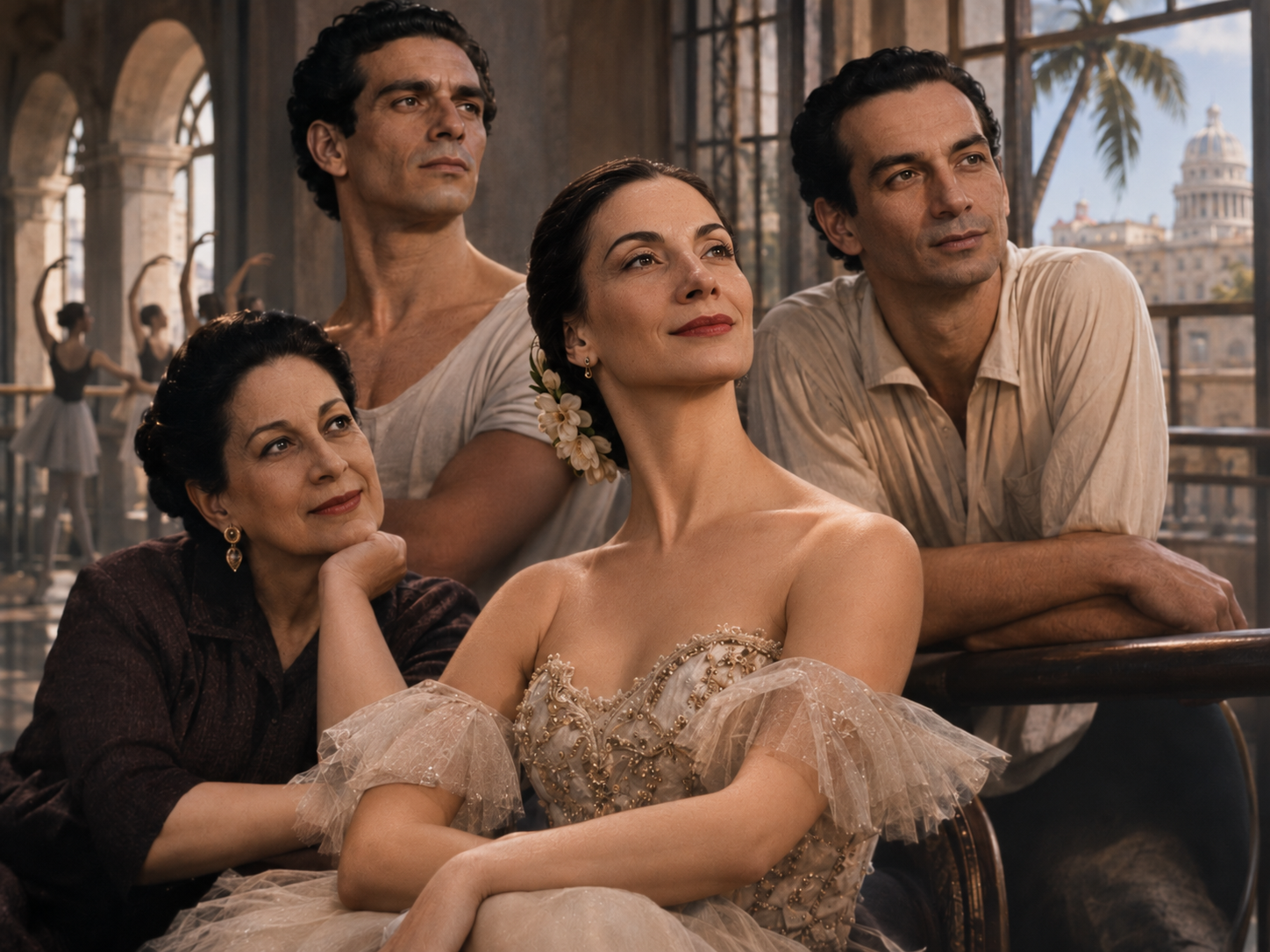
Both founders entered Cuba's state ballet training system as children. At the time, the system selected promising young students from across the island and provided their training without tuition.
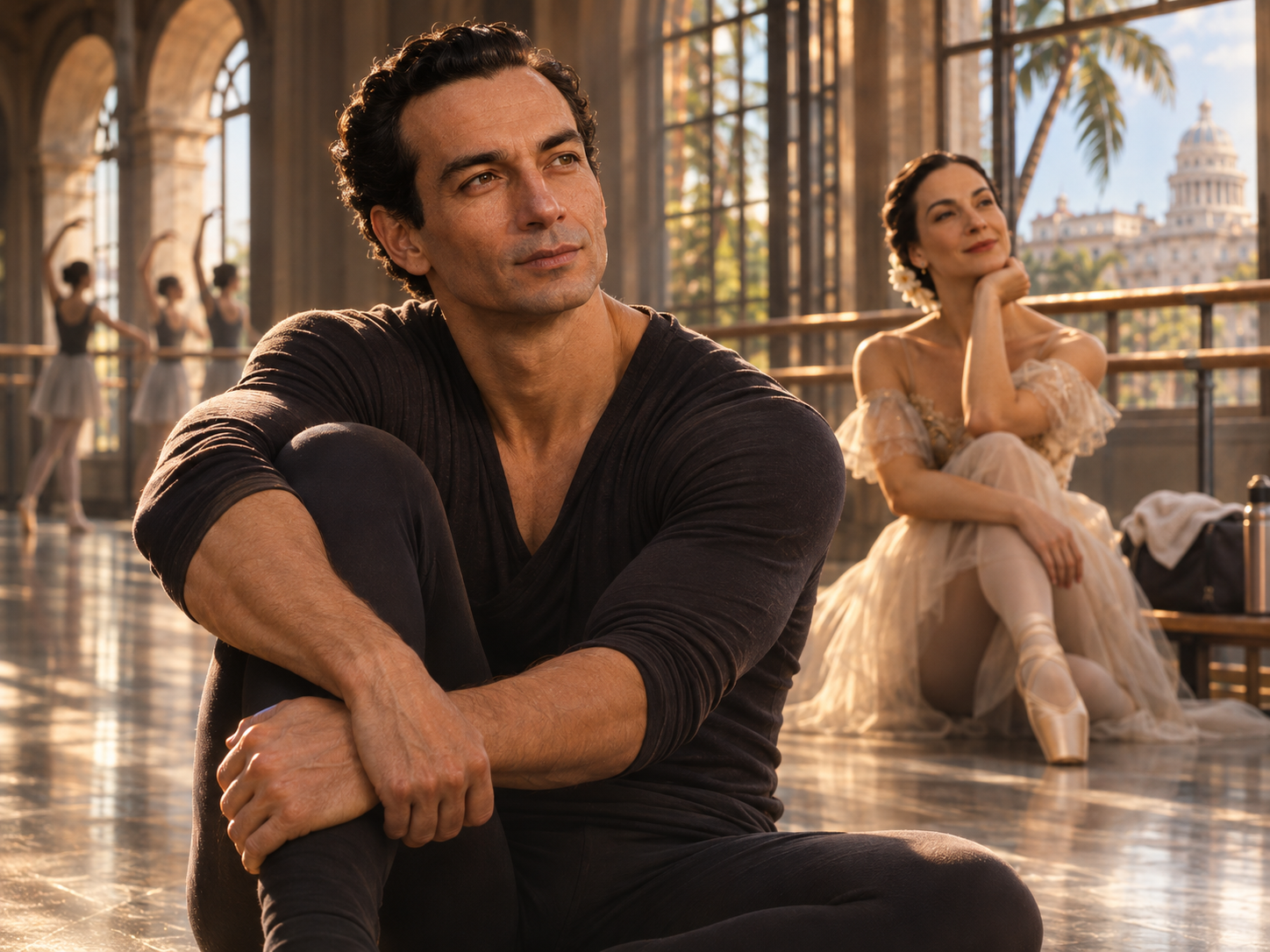 Serrano was nine when he was recruited from his elementary school in Santiago de Cuba, in the island's east. He later moved to Havana to finish his training at the National Ballet School under its director, Ramona de Saá. Hernández, who grew up in Havana, entered the same school at ten. She trained there for eight years and graduated in 1984.
Cuban graduates were assigned to companies, and both were sent to the Ballet de Camagüey, the country's second major classical company. There they danced under Fernando Alonso, whose teaching methods would shape the school they later built. Hernández rose to principal roles, according to the school's biography of her. Serrano spent a year training and performing in Italy.
By the early 1990s they were partners onstage and off, and a tour would change their lives.
 In 1993 the couple were touring Mexico with a Cuban ballet troupe when Ballet de Monterrey offered them work, and they danced with that company. In September 2025, Sarasota Magazine published Carrie Seidman's detailed account of what came next. According to her reporting, a Cuban official demanded that they turn over half of their earnings to the government, and they decided to leave.
They bought one-way tickets to Miami. They spoke no English and knew no one in Florida.
Seidman reports that nine months of sporadic guest appearances followed. Then, in the fall of 1994, Robert de Warren, newly appointed to lead The Sarasota Ballet, offered Serrano a principal's contract. Hernández danced with the company as well before their son, Francisco, was born in 1997. Their daughter, Camila, followed in 2000.
Sarasota had given them a stage. It had not yet given them a future in ballet.
Their careers as dancers ended sooner than either had planned. Two back surgeries cut Serrano's career short, and The Sarasota Ballet did not renew his contract after three seasons. He taught and performed for a time with a small company in West Virginia. Then his mother died, and he went back to Cuba.
Seidman describes the decade that followed as a dark one for Serrano. He withdrew from ballet entirely, taught himself the handyman trade and stayed out of studios for roughly ten years. At one point he signed for a studio space of the couple's own, then backed out.
Hernández did not step away. Through those years she taught at a local studio and as a guest instructor at schools around Florida, and she started their daughter in ballet. Camila took up ballet before her brother did. Francisco's first time in ballet studios was spent waiting for his sister.
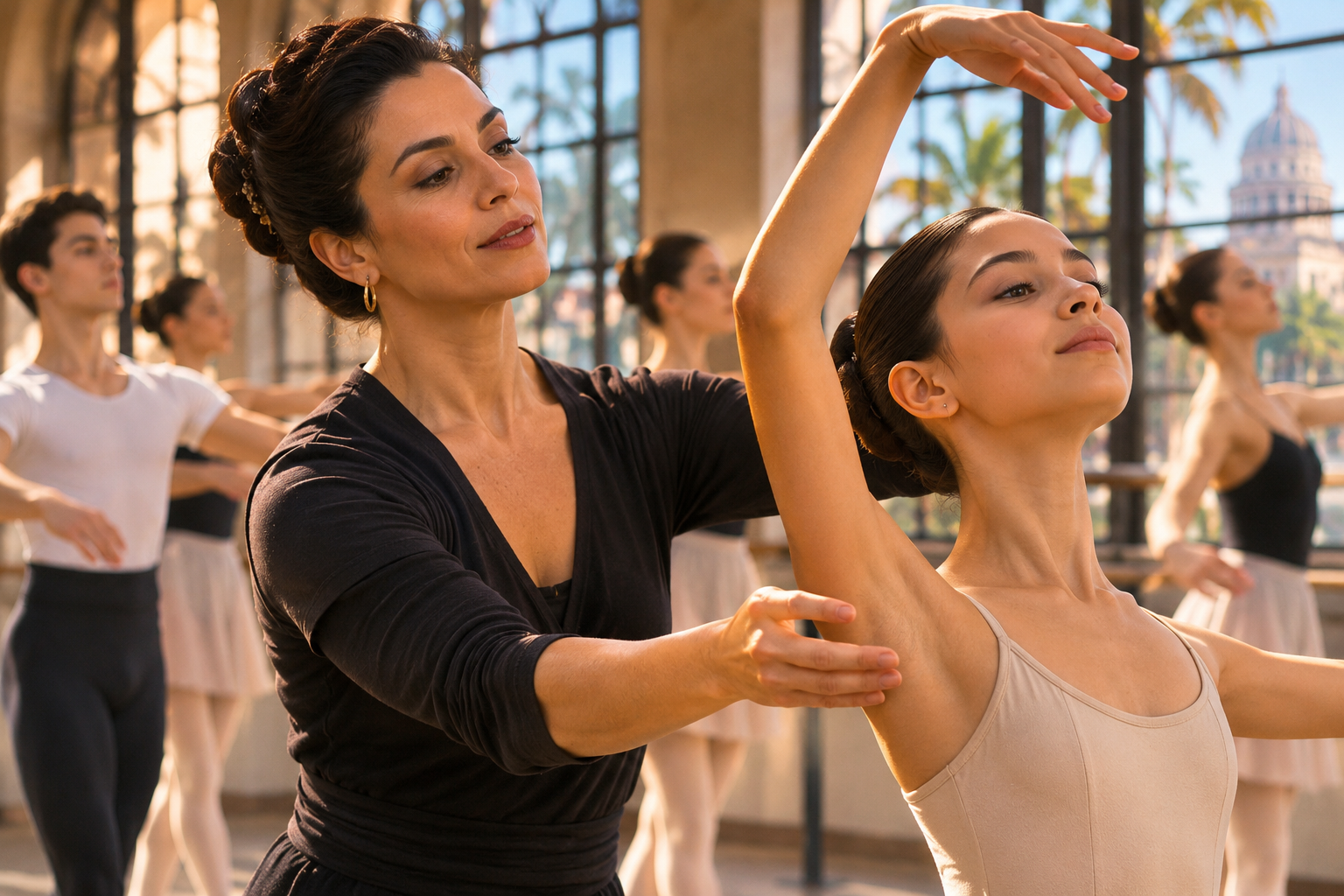 The school, Serrano has told WGCU, was his wife's idea. Their children were dancing, and Hernández wanted them to learn in the method she and her husband knew.
When Francisco, too, began expressing an interest in ballet, it was Wilmian who first encouraged him. At a time when Ariel remained hesitant about their son pursuing such demanding training, she recognized an opportunity to introduce Francisco to the artistic tradition that had shaped their family's lives.
In many ways, the story of Sarasota Cuban Ballet School is also a story of her persistence. Long before there was a growing school, a Studio Company, or a son performing at The Royal Ballet, there was Wilmian's determination to keep teaching and to give the next generation an opportunity to experience the art she loved.
What began within their family would eventually reach families throughout Sarasota and far beyond.
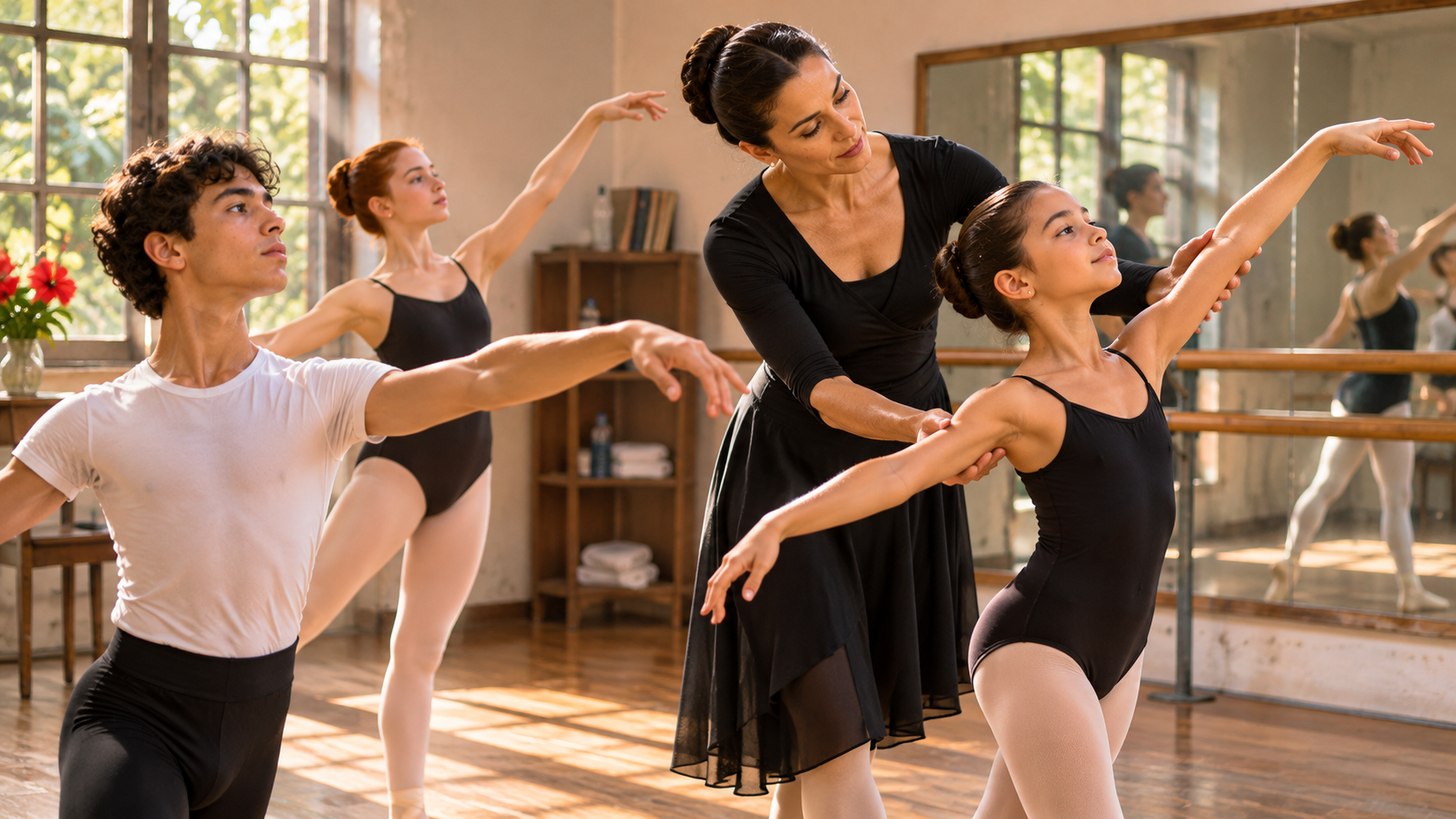 Sarasota Cuban Ballet School opened in April 2011 with three students. One of them was Francisco, then about fourteen.
According to Seidman, the couple put close to $26,000 of their savings into the venture. For its first nine months, the school's income covered little more than electricity and water. The landlord reduced the rent in exchange for renovation work, and the handyman skills Serrano had learned in his years away helped keep the doors open.
The curriculum came from Havana. Serrano has said that Ramona de Saá gave the founders the Cuban national program, adapted for American students. The school says it is the only U.S. training center using her adapted curriculum; this is an institutional description, not an independently established comparison of every American ballet school.
De Saá was a founding dancer of the Ballet Nacional de Cuba. After serious injuries ended her performing career, she turned to teaching. She directed the national ballet school for decades and is widely credited with shaping Cuba's modern system of dance education. She died in Havana on April 17, 2024, at 84.
Her link to Sarasota ran directly from teacher to former student to a new generation. Few American schools can trace their teaching that precisely.
For Ariel Serrano, the school was also a way back to an art form he had once left behind.
When Francisco first expressed an interest in ballet, Ariel was reluctant. He believed fourteen was late to begin such demanding training, and after seeing his son leave baseball behind, he worried that ballet might become another passing interest.
But Wilmian Hernández saw something worth encouraging. She began coaching Francisco herself, nurturing his interest in the art that had shaped both parents' lives.
Eventually, Ariel joined her in teaching their son.
There is something especially touching about that change. The father who had once coached Francisco in baseball was now guiding him through the discipline of classical ballet.
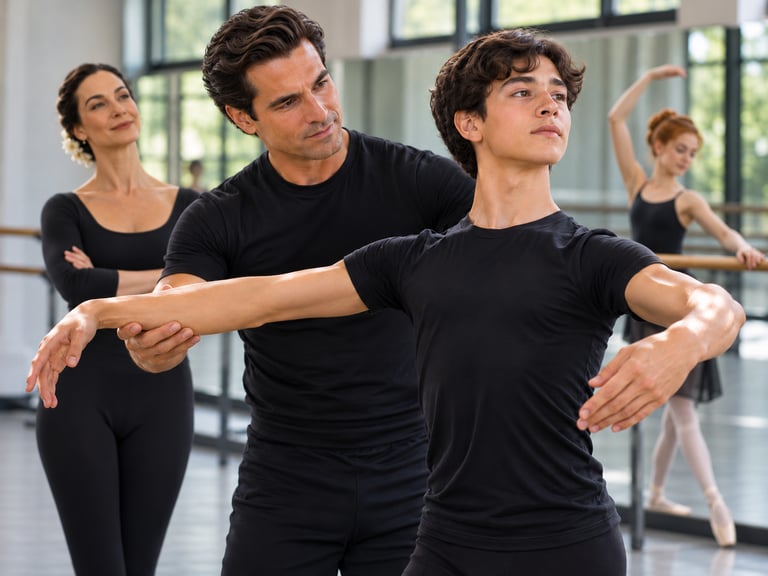 Through teaching, Ariel found a renewed connection to the art he had known since childhood. And together, he and Wilmian began passing along the knowledge they had carried from Cuba—not only to their son, but to the growing number of young dancers who would eventually walk through the school's doors.
Ballet is an international art form, shaped by Italian, French, Russian and other traditions, and the Cuban school grew out of that exchange. Alicia Alonso founded the company that became the Ballet Nacional de Cuba in 1948. Fernando Alonso and a generation of teachers, de Saá among them, codified a method of training. That method drew on Russian, French, British and other foundations, and it also aimed to express the Spanish, African and Creole influences in Cuban culture. Serrano describes the method as constantly in motion, still adapting to what dancers' bodies need.
The school describes the method in concrete terms rather than as a ranking. It emphasizes athleticism, turning, balance and partnering.
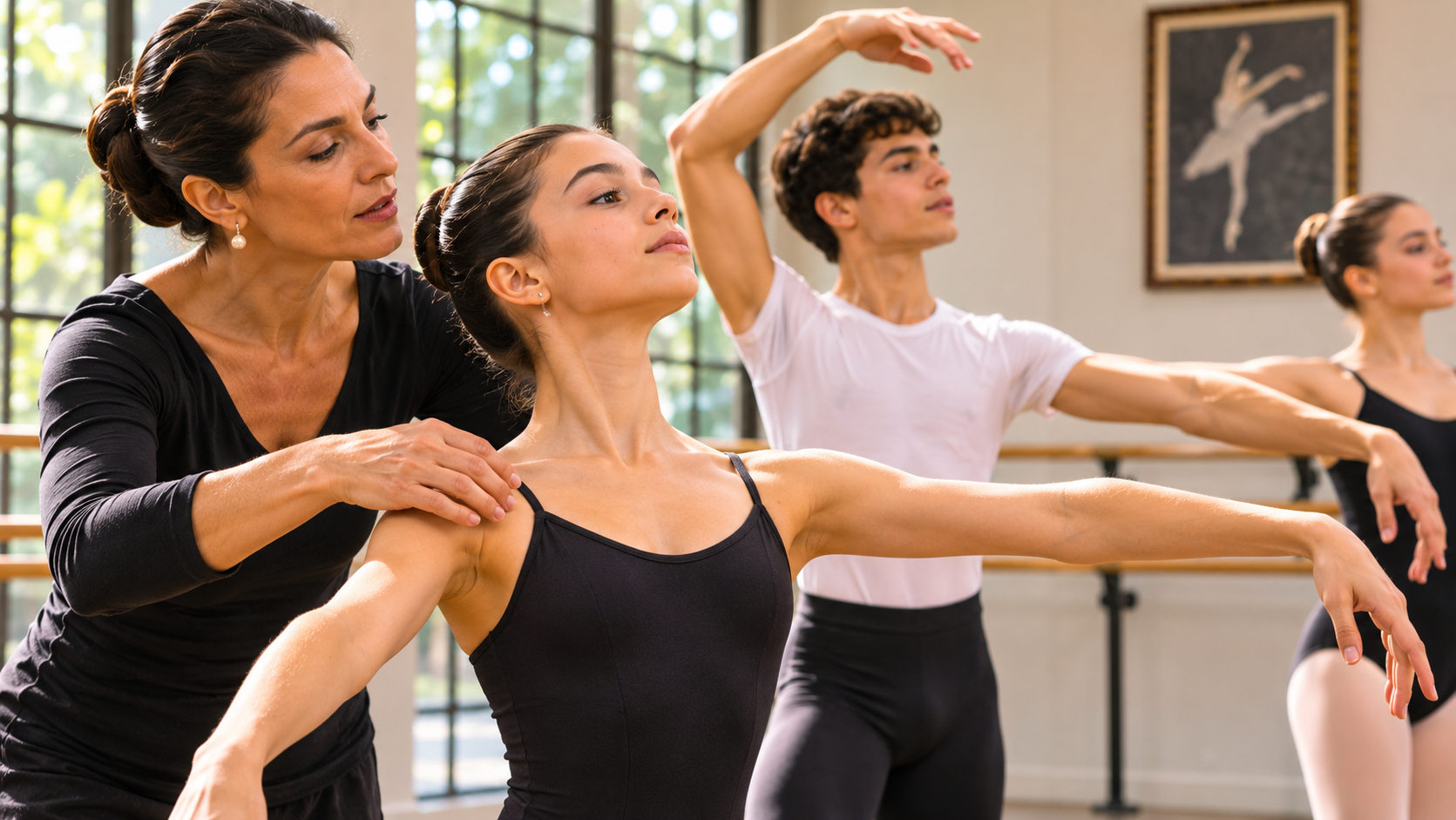 Serrano has explained the details to WGCU. Much of the style's character, he says, lives in the in-between steps, such as the contretemps that link one phrase to the next. Cuban-trained dancers are taught to use the whole stage, changing direction often rather than moving in straight lines, and to hold their positions high. He singles out long balances and dynamic turns as hallmarks of Cuban ballerinas, and he expects the men to turn just as boldly.
Partnering may be the most distinctive element. Serrano describes the Cuban approach as very strong and protective: the man's first job is to look after the ballerina and show her at her best. One of the company's lead artists, Leo Okuno, put it the same way to WGCU, describing his role as presenting his partner in the best possible light.
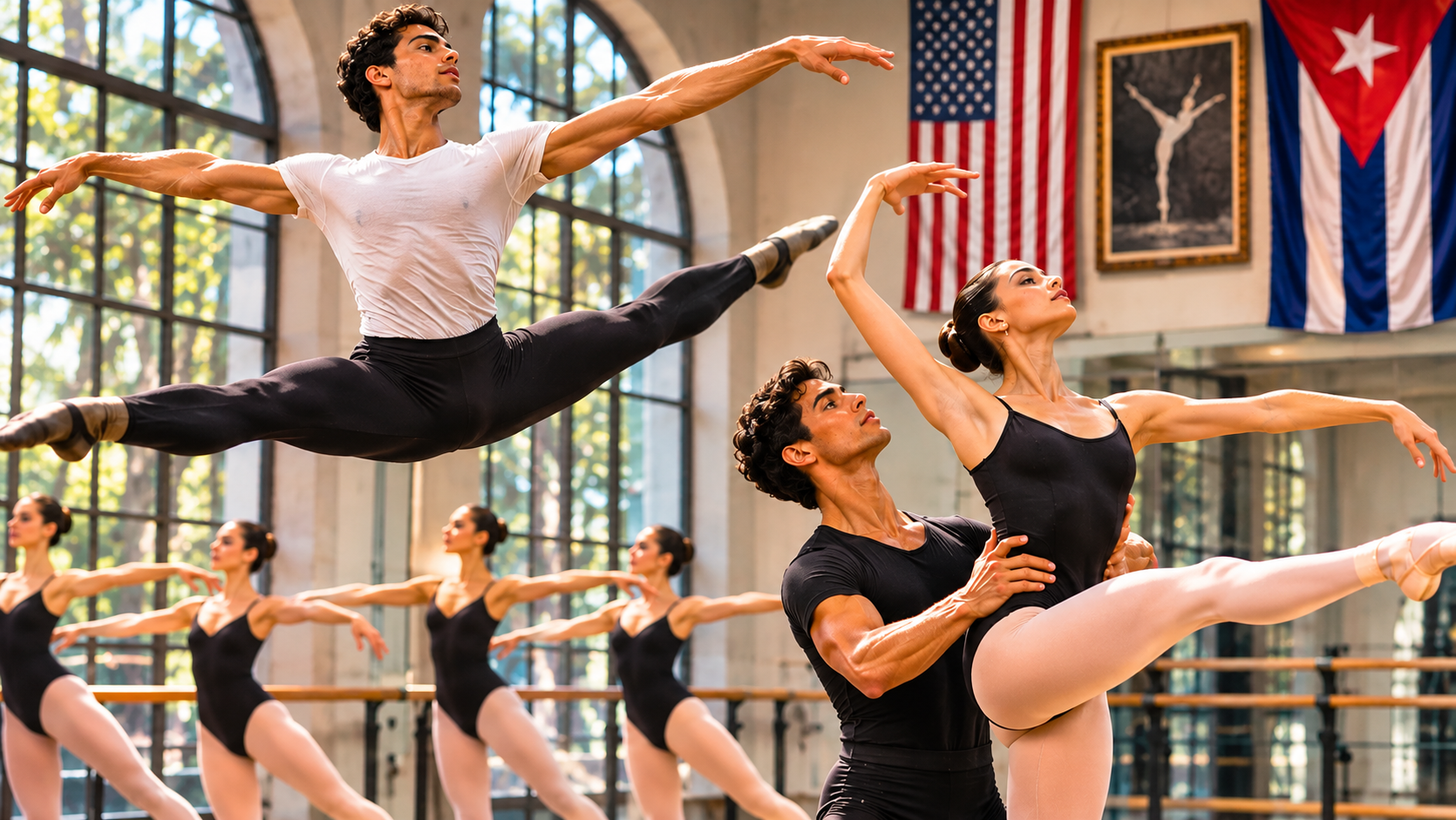 A summer student once offered Sarasota Magazine a simpler summary: the Cuban style is danced more athletically, with higher extensions and bigger jumps. That is one dancer's impression, not a definition, but it captures what an audience notices first.
The school has moved more than once. In 2020 it was on North Beneva Road. Today it occupies studios and a small auditorium at 4740 Cattlemen Road, on the Girl Scouts' campus beside protected wetlands. The school credits architect Guy Peterson with the building's design, without claiming it was originally designed for the ballet school.
The auditorium provides an intimate setting. For its October 2025 program, seating was limited to 60 people per performance. Audiences sit close enough to see what a large theater hides: the preparation before a turn, the adjustments of a partner's hands, the breath at the end of a phrase.
Those two spaces carry the school through the whole year, not only the holidays. The summer intensive fills July. An Auditorium Series of Studio Company programs runs from September into spring, and the major productions move to the Sarasota Opera House downtown.
The school teaches students from age three through adulthood, from first classes to a pre-professional track. The school's published pre-professional program describes approximately 24 hours of training each week. It covers ballet technique, pointe, variations, repertory, character dance, contemporary work and conditioning.
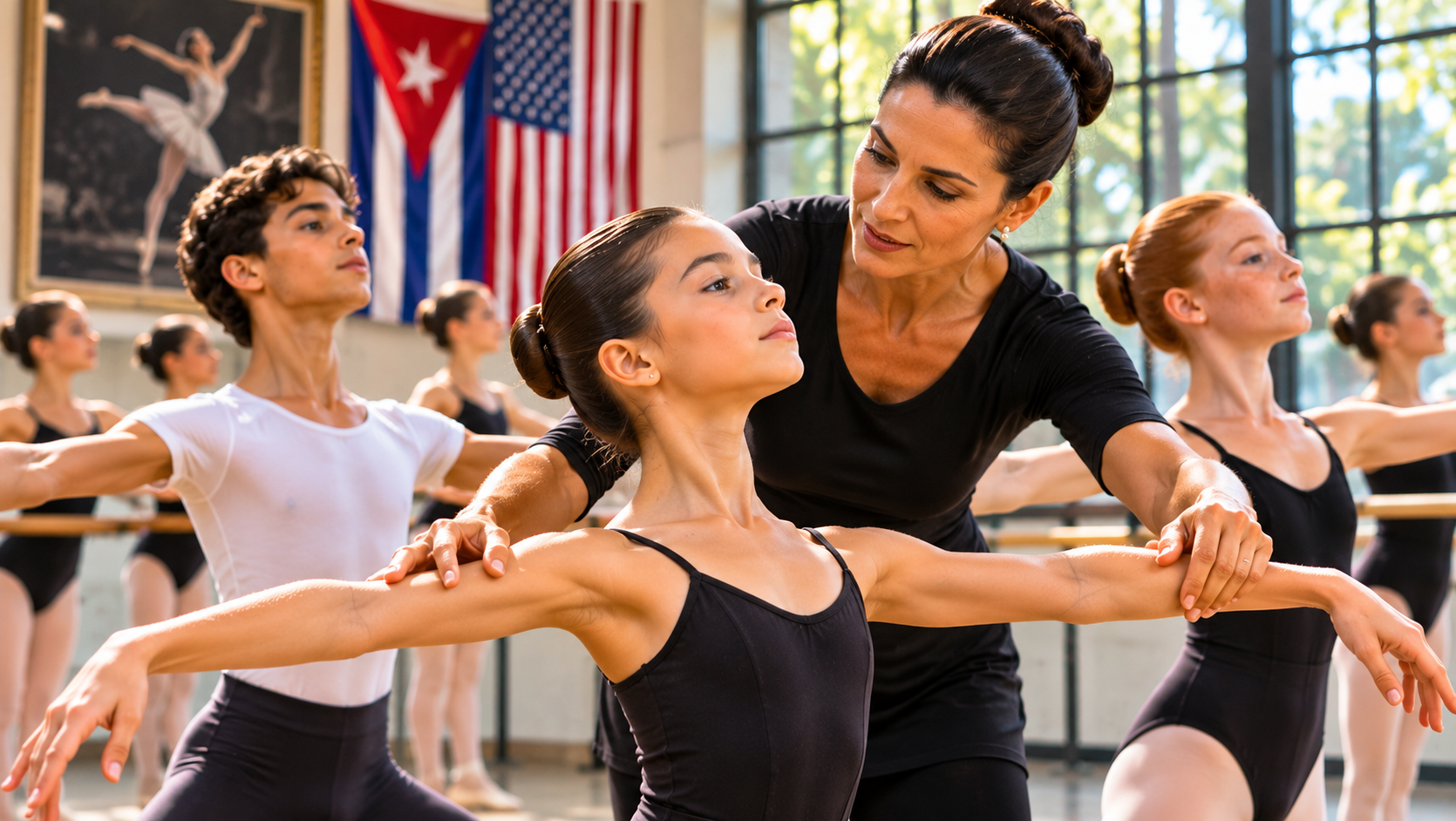 Each summer the school also runs an auditioned intensive. Enrollment was about 70 in 2014, grew to 112 in 2015, and was held to a more manageable 85 in 2016. For 2025, auditions were held in Sarasota, at Milwaukee Ballet and at the School of the Charleston Ballet in West Virginia. Out-of-town dancers have lived at Sarasota Opera's Steinwachs artist residences downtown and ridden to the studio each day in the school's 15-passenger van. The intensive ends each July with the school's On Stage performance at the Sarasota Opera House.
The student body has been international from early on. By 2016, dancers were auditioning from Japan, Italy, Colombia, Guatemala and Mexico. Several summer students moved to Sarasota to train year-round while attending high school, living in student housing that Hernández helped manage. For years, Seidman reports, the founders also took young dancers into their own home.
The founders have tried not to let money decide who trains. Seidman reports that the school has regularly offered scholarships to promising students who could not pay. In a profile published around 2021, SRQ Magazine reported that at least a third of the pre-professional dancers received scholarships at that time; it is not a current enrollment figure. The school has also raised money for a Dancer's Shoe Fund to help cover the cost of pointe shoes.
Supporters have helped. Among the longest-standing was Donna Maytham, a co-founder of the Richmond Ballet who moved to Sarasota in 1996. She backed the school from its beginning and funded scholarships for young dancers. After her death in the summer of 2025, the company dedicated its October performance of The Dying Swan to her.
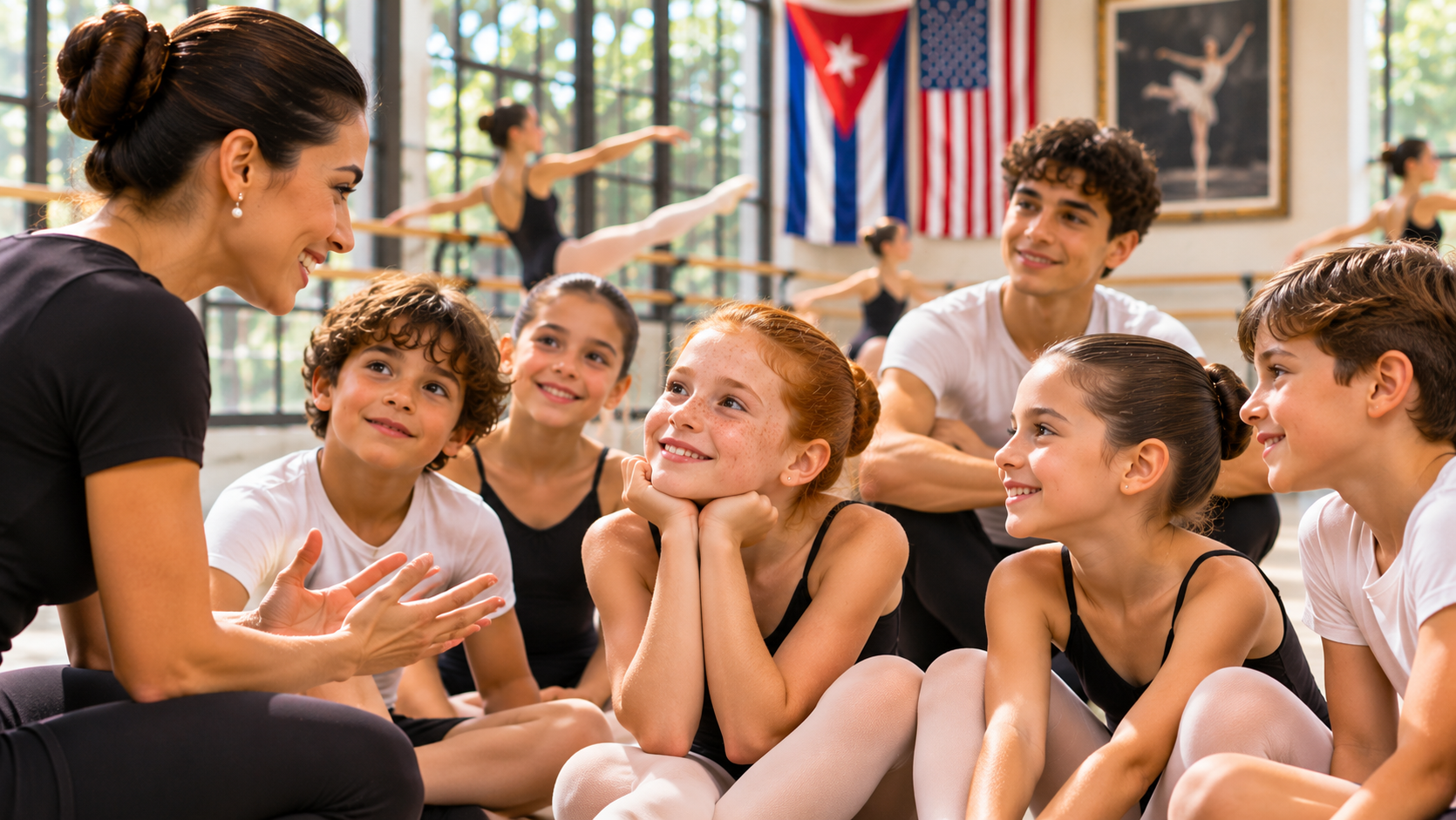 The school's outreach has also reached children who might never have entered a studio. According to reporting from 2016, a Community Foundation of Sarasota County grant funded performances, movement classes and conversations with families at four Title I schools. A pandemic-era SRQ profile described a historical initiative called Dance for a Future. It offered fourth and fifth graders at Title I schools two free years of classes, with transportation, snacks and dancewear, and children who stayed the course were offered scholarships to the pre-professional program.
Behind every young dancer's progress is work audiences rarely see: teachers who revisit the same steps until a student understands them, and families who make room for classes and rehearsals in already busy lives.
Most of these children will not become professional dancers, and that was never the only point. The school's doors are also open to adults, some discovering ballet for the first time, others returning to a childhood love.
The same training that carries one student toward an international stage can give another discipline, confidence, and a place to belong.
Whether a dancer pursues ballet professionally or simply carries a love of the art into another chapter of life, the dedication of teachers and the encouragement of families can leave an impression that lasts far beyond the studio.
For a boy whose parents were ballet dancers, Francisco Serrano came to ballet late. As a child he played competitive baseball, and his father was one of his coaches. He spent time in studios waiting for his sister but did not take up ballet seriously until he was fourteen, around the time his parents opened their school. In a 2025 interview with the dance publication Gramilano, he said they never pressured him.
What followed was remarkably swift. In 2013, about two years into his training, he won the Grand Prix—the top overall award—at the Atlanta regional semifinal of Youth America Grand Prix. His parents' school also received the Outstanding School award. In 2014, after reaching the competition's New York finals, he received a scholarship to The Royal Ballet School in London. These were distinct achievements in successive years.
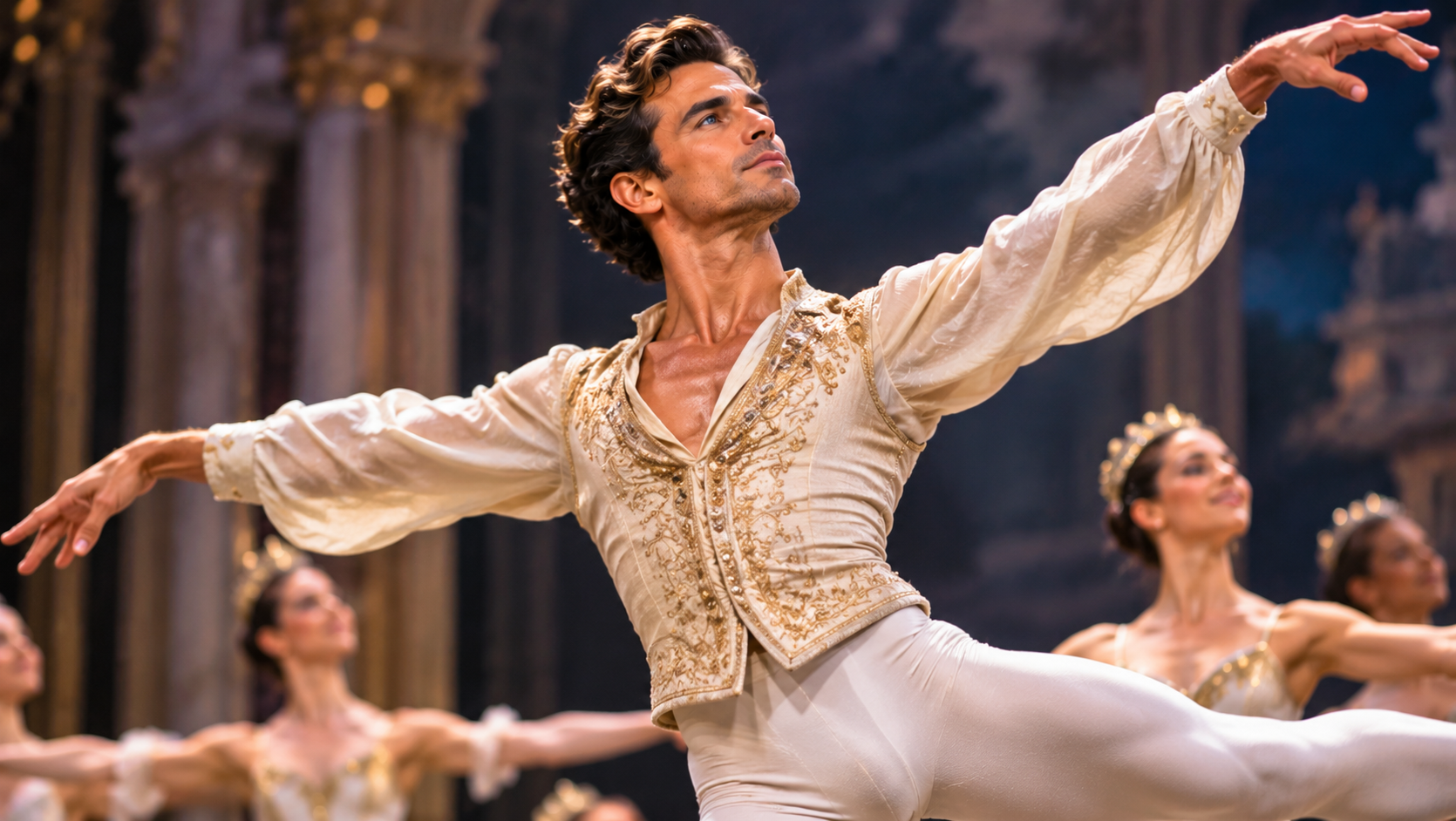 In the spring of 2014 he also travelled with his parents to Havana for an international competition for young ballet students at the school where they had trained, and won a gold medal. Later that year he moved to London to take up his Royal Ballet School place.
He told Gramilano that the move was difficult for someone so close to his family, and difficult for his parents too, although fellow students helped him feel welcome. At The Royal Ballet Upper School he placed second in the 2015 Lynn Seymour Award for Expressive Dance. He entered The Royal Ballet's Aud Jebsen Young Dancers Programme in 2016, joined the company as an Artist for the 2017/18 season, became a First Artist in 2023, and was promoted to Soloist in 2024.
Francisco's path is not a template. Most professional dancers begin younger, and few who start at fourteen reach a company such as The Royal Ballet. In his case, an intensive training environment, parents who were also teachers, and his own decision to commit made an unusual journey possible. The school continues to bring former students back to Sarasota to share the stage with younger dancers: a tangible reminder of what sustained work, teaching and opportunity can lead toward, without promising the same outcome to everyone.
His repertory spans classical, dramatic and contemporary ballet. He has danced Mercutio in Romeo and Juliet, Prince Gremin in Onegin, Spanish dances in Swan Lake and The Nutcracker, and the Drum Major in Different Drummer, alongside newly created roles. Christopher Wheeldon also selected him to partner principal Fumi Kaneko in a pas de deux from The Two of Us.
WATCH — Francisco Serrano in a Royal Ballet rehearsal: Insights: The Royal Ballet in Rehearsal — Romeo and Juliet (2025). The official rehearsal presentation offers a look inside the company's work on Kenneth MacMillan's ballet.
A major career milestone followed in October 2025, when the company performed Wheeldon's Like Water for Chocolate, based on Laura Esquivel's novel. On some evenings Francisco danced José. On October 15, he made his debut as Pedro, the male lead, opposite Ella Newton Severgnini as Tita; he danced Pedro again on October 23, sharing the part across performances with principal Marcelino Sambé. Reviewing the younger cast for Gramilano, Lily Hyde described his performance with “suitably roguish energy.”
It was his first leading role in a full-length, three-act ballet. In a joint interview with Newton Severgnini, Francisco discussed the responsibility of carrying a story across an entire evening and the significance of appearing in a work connected to his Hispanic heritage. Read Francisco Serrano and Ella Newton Severgnini's interview with Gramilano.
In July 2026 he was listed as Hilarion in Giselle during The Royal Ballet's Japan tour. The company's current official biography continues to identify him as a Soloist.
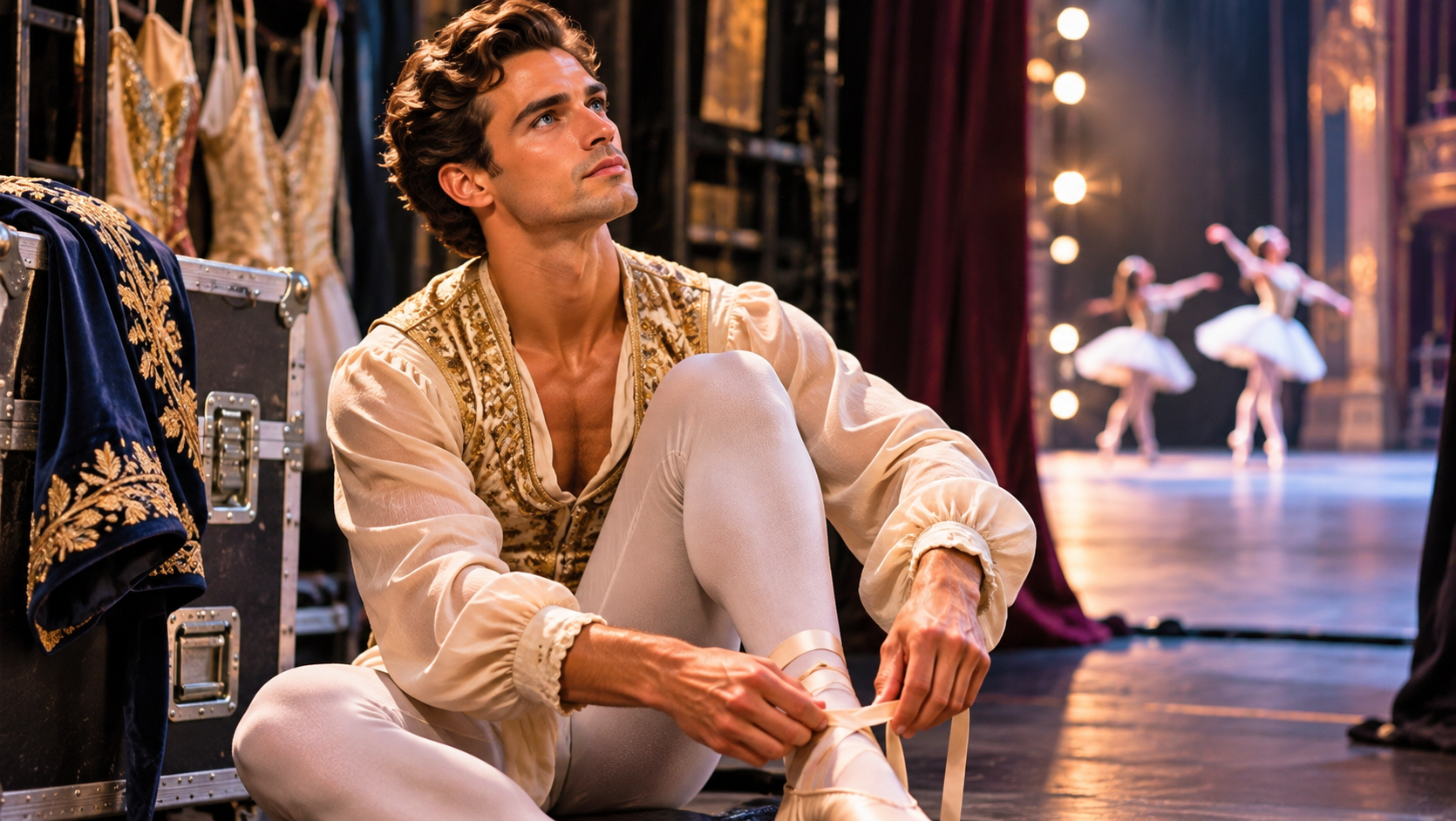 For all that distance, Sarasota remains part of his professional life. He has helped at the school during visits home, and on July 19, 2025, returned as a guest performer for On Stage at the Sarasota Opera House. The program also included his Royal Ballet colleague Leticia Dias and former school student Isaac Mueller, identified as a Boston Ballet dancer in coverage at the time.
Francisco's accomplishments are his own, earned through years of discipline, perseverance, and artistic growth. Yet they also carry a special meaning for the parents who introduced him to ballet and helped guide his earliest training.
For Ariel Serrano, whose own performing career ended before he was ready, watching his son achieve such remarkable success has brought their family's journey into an extraordinary perspective.
As Ariel expressed it:
“What I could only dream to do then, he is doing now.”
Those words speak to something deeply moving about their story. Two dancers who left Cuba with an uncertain future eventually built a school in Sarasota, raised a family, and helped prepare their son for a career on one of the world's great stages.
And Francisco's journey continues to offer encouragement to the students who now train where he once began—not as a promise that every student will become a professional dancer, but as a reminder of what dedication, opportunity, and extraordinary teaching can make possible.
Just four days before that homecoming performance, Visit Sarasota County released an episode of its Behind the Masterpiece audio podcast. Speaking with host Brian Hersh, Francisco described a working day at The Royal Ballet, how his Sarasota training prepared him, and the physical and mental demands of performance. His account brings the story back to the school—and gives aspiring dancers the chance to hear that journey in his own voice.
FEATURED INTERVIEW — Listen to Francisco: From Sarasota Cuban Ballet School to The Royal Ballet: Francisco Serrano's Journey — Visit Sarasota's Behind the Masterpiece podcast, July 15, 2025.
Francisco is the school's best-known graduate, but not its only one. The school says former students have joined The Royal Ballet, Birmingham Royal Ballet, Miami City Ballet, Houston Ballet, Dance Theatre of Harlem, The Washington Ballet, San Francisco Ballet and Boston Ballet. Several can be confirmed by name: Isaac Mueller, identified with Boston Ballet in 2025 reporting, and Charles Rosario, who was with New York Theatre Ballet in 2024 and has credited Serrano as his mentor in Dance Teacher.
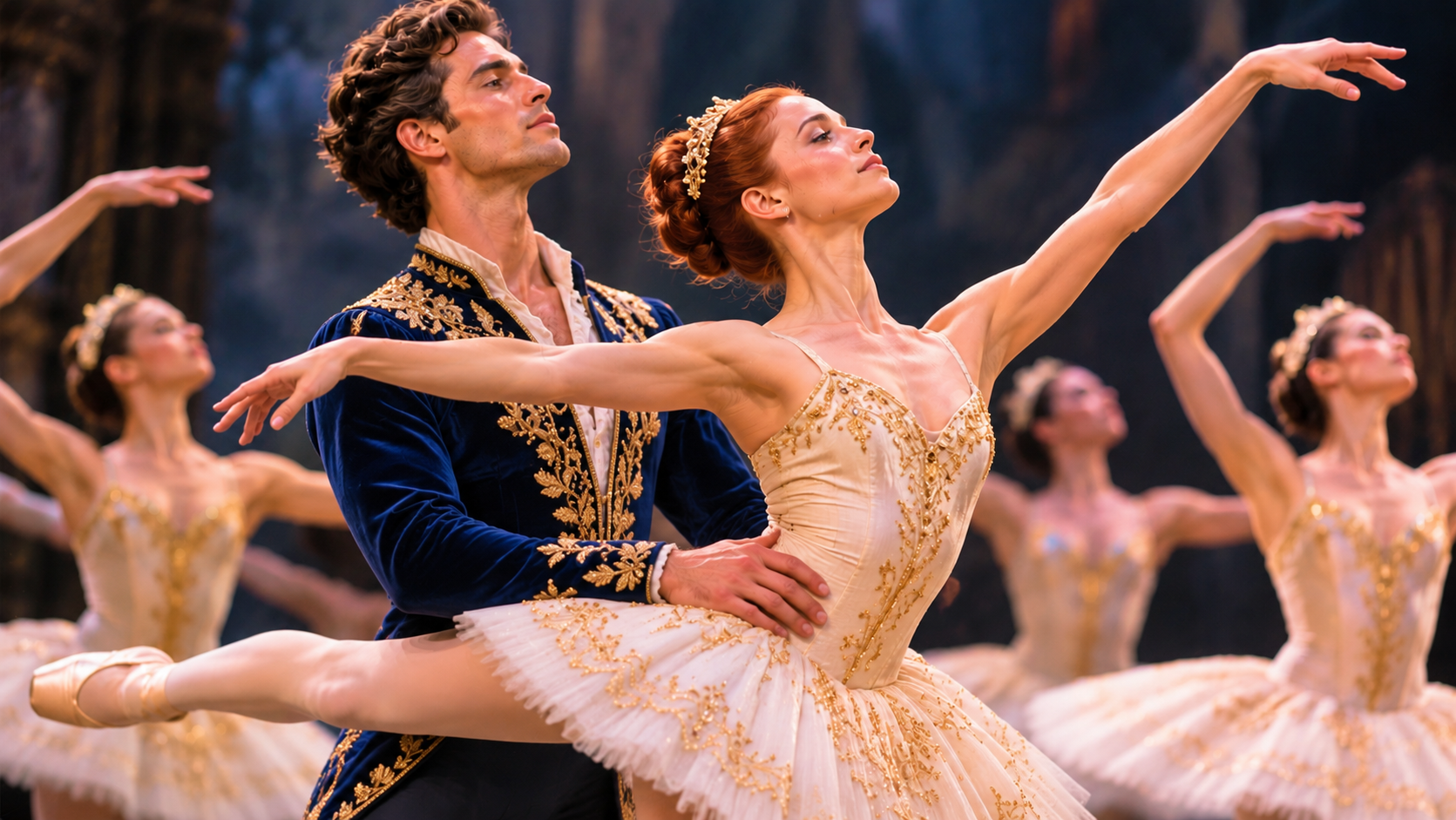 Harold Mendez's career shows in close detail what the school has meant to a student from Cuba. Cuba's state program selected him at ten. In 2014, when he was thirteen, his family moved to Florida. According to Seidman's July 2026 reporting, Serrano was at first reluctant to take him on, and Ramona de Saá persuaded him.
Serrano then trained Mendez, drove him to school, housed him and helped pay for his trips to competitions. Mendez won a bronze medal at the 2018 USA International Ballet Competition. He was one of ten Americans selected for the 2019 Prix de Lausanne, and he earned a full scholarship to San Francisco Ballet School.
The pandemic delayed his first contract, and he worked at a warehouse store in Sarasota until State Street Ballet in Santa Barbara took him on in 2021. He danced there for approximately five seasons, from 2021 to 2026, undertaking mostly principal and soloist roles. In July 2026 he came back to the Sarasota Opera House for the school's On Stage performance, which he described in contemporaneous reporting as his final professional performance.
Other paths are less documented and just as real. Fransuá Llorente had danced soloist roles with the Ballet Nacional de Cuba. He came to the school's first summer intensive in 2014 and went home. In November 2016 he left Cuba, settled in Sarasota and returned to Serrano's studio to keep training while he looked for a company.
The Studio Company grew out of a practical need. In 2022 the school launched a pilot studio company, first called the Gulfcoast Studio Company. It was built for dancers aged 18 to 23 who had aged out of the school but needed more training and stage time before joining major companies.
In 2025 the founders made it permanent as the Sarasota Cuban Ballet Studio Company, a professional youth company that pays its dancers to perform. It also takes the company's work into the community through education and outreach.
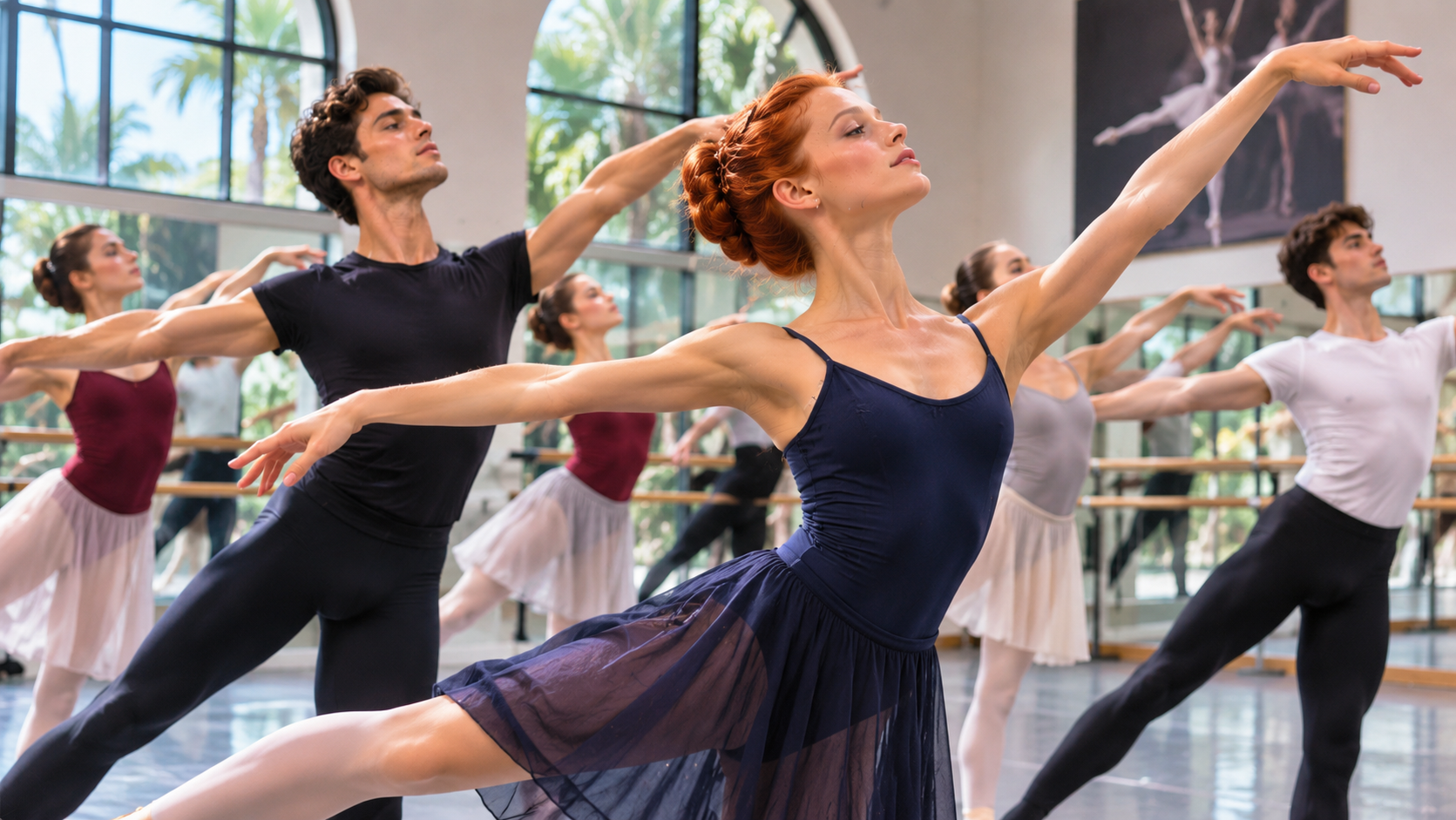 The founders lead both the school and the company. Ariel Serrano is Artistic Director and Wilmian Hernández is Managing Director, and together they co-direct the Studio Company. Two fellow Cuban artists work alongside them:
Rolando Yanes, Associate Director. A native of Villa Clara, he was a principal with the Ballet de Camagüey under Fernando Alonso and won a silver medal at the 1995 international ballet competition in Brasília. He came to the United States in 1996 as a principal dancer with Milwaukee Ballet, and from 2004 to 2021 he directed the Milwaukee Ballet School and Academy.
Monica Isla, Ballet Mistress. A Havana native, she also danced with the Ballet de Camagüey before becoming a principal with the Pro-Danza company. She won a silver medal at the 1996 Alicia Alonso International Ballet Competition and danced as a soloist with Ballet Concerto in Puerto Rico. She joined the Milwaukee Ballet School in 2008 and created Healing With Ballet, a program of ballet classes at a Wisconsin cancer center.
Yanes and Isla created a full-length Dracula for the company, based on Bram Stoker's novel. It premiered in October 2023, and the choreographers have added to it in each revival. The 2026 run, from October 30 to November 1, sold out its Sunday matinee. Its new prologue was choreographed by Isabella Serrano, a Studio Company apprentice.
For its 36-week 2026–27 season, the company has twelve dancers, seven of them new and two newly promoted. Several new members came from established companies: lead artists Sofia Johnson from Alabama Ballet, Gian Narayassamy from The Washington Ballet and Leo Okuno from Atlanta Ballet, and artist Shannon McNiven from Orlando Ballet. Returning lead artists include Brian Guerrero, Katherine Lane and Evelyn Lyman. The company now has at least four men, and WGCU noted that strong male dancers give the company's women a rare chance to learn and perfect partnering.
The season opened in September with Classical + Contemporary, a program that showed the range the company is building. It set the nineteenth-century Grand Pas de Quatre and excerpts from Le Corsaire beside Canto Vital, a neoclassical showcase for four men from the Cuban repertory. It also included Fractales, a contemporary work by resident choreographer Tania Vergara. Earlier programs included La Primavera in April 2025, with the Kingdom of the Shades from La Bayadère, and Romantic Night in February 2026.
Live music has become part of the auditorium programs. In October 2025, the company danced for the first time to live piano and cello, played on a 1920 Steinway. Musicians Bruce Ensinger and Sarah Troeller have appeared with the company. Administrative Director Barbara Worth runs its operations.
For many Sarasota families, the school is most familiar through its Nutcracker. The production plays one night each December at the Sarasota Opera House: December 5 in 2025, with the 2026 performance scheduled for Friday, December 4 at 6 p.m.
The Studio Company's dancers take the featured roles, and students from age three to twenty fill the stage around them. Steve Rubin, a theater designer with Broadway credits, designed the sets and costumes for this production. His designs for On Golden Pond in 1979 earned him Drama Desk Award nominations for both set and costume design.
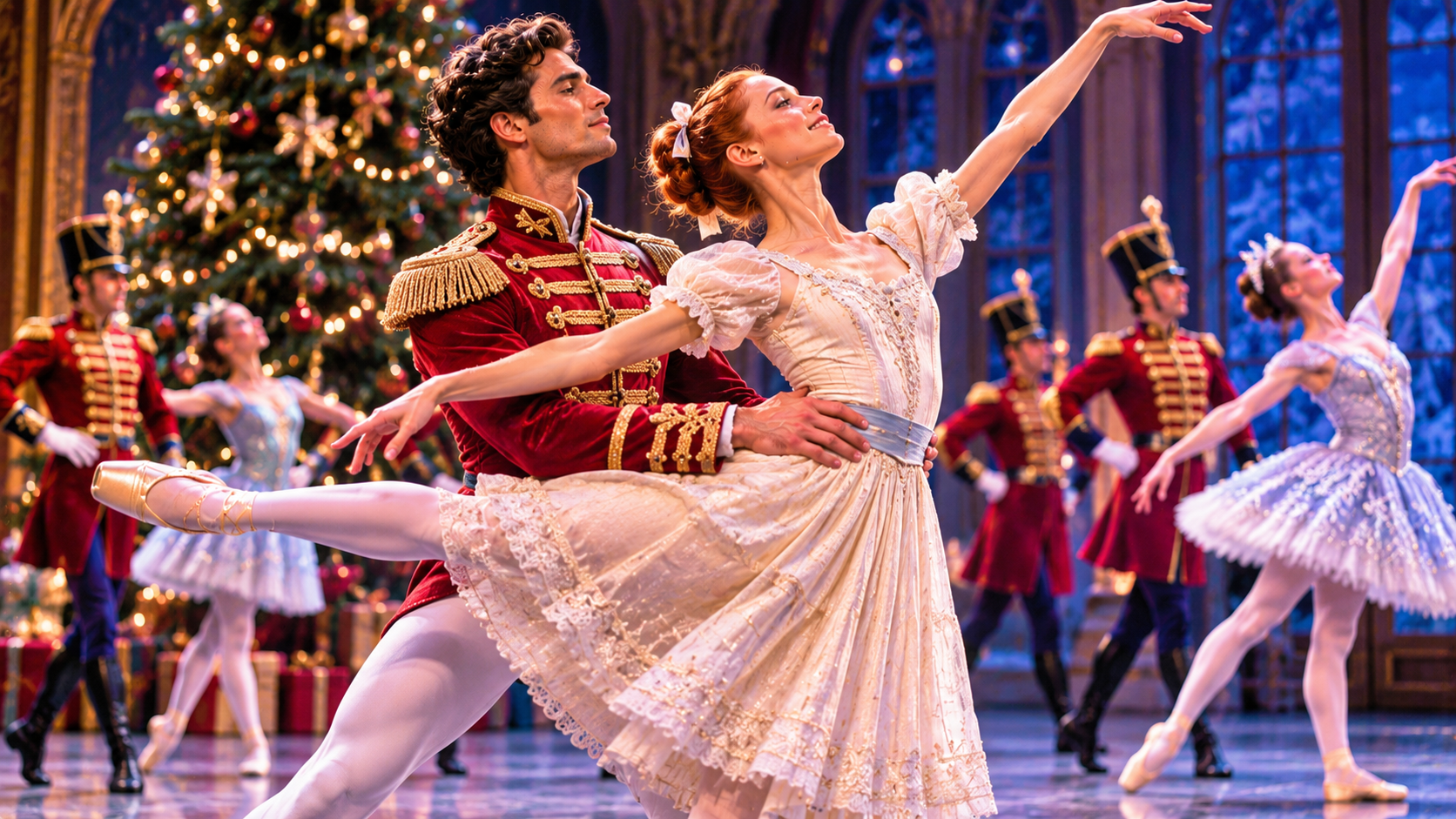 The Party Scene opens the production to the wider community, bringing adult participants onstage alongside trained dancers.
The school's Nutcracker is its own production. It is separate from The Sarasota Ballet's Nutcracker, which features that company's Studio Company and students and plays the Opera House later in December. It is also separate from the touring productions that visit the region.
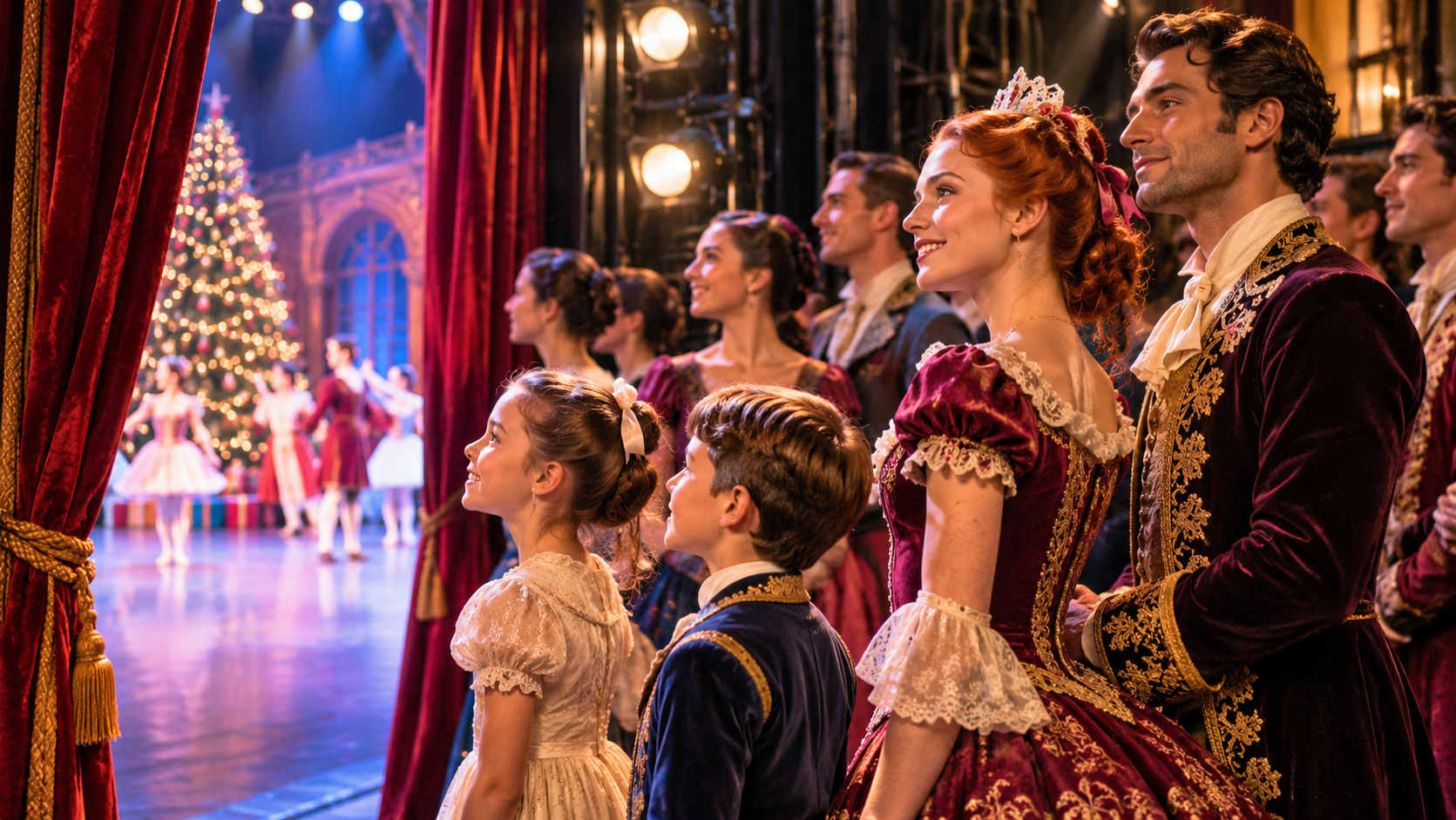 The Opera House matters to the school well beyond December. Every July, On Stage gives summer intensive students, many from out of state or abroad, a stage that opened in 1926 as the Edwards Theatre and celebrated its centennial in 2026. By 2015 the performance drew about 800 people.
Those July evenings have marked the school's milestones. In 2014, students from Cuba's national school came to dance. In 2016, Harold Mendez made his debut on that stage. Francisco came home as a guest artist in 2025, and Mendez returned in 2026 for what he said would be his final professional performance.
Much of what is known about the school's history comes from regional journalism. Carrie Seidman has reported on the school for more than a decade. For the Sarasota Herald-Tribune she travelled with the founders to Havana in 2014 and wrote the series Home to Havana. For Sarasota Magazine she has profiled the family, Francisco's career and Harold Mendez's. Tom Hall of WGCU, the public broadcaster for Southwest Florida, has filed regular reports on the Cuban method, the Studio Company and its seasons, and WUSF has carried some of them.
The school's broadcast coverage is smaller and comes in different formats. On television, ABC7 WWSB covered the 2025 Nutcracker. Visit Sarasota's Behind the Masterpiece podcast devoted an episode to Francisco's journey from the school to The Royal Ballet. In January 2021, Arts Advocates hosted Francisco in a free online talk about his path from Sarasota to London.
Taken together, this coverage forms a public record of a school and the lives that have passed through it. Without it, much of that history would be remembered only by the people who were there.
The school's landmark international exchange came in 2014. That spring, the founders returned to Cuba with Francisco, Camila and about six students, to compete in Havana and reconnect with the teachers who had trained them.
Later that summer, five recent graduates of Cuba's National Ballet School came to Sarasota: Daniela Gómez Pérez, Diana Menéndez, Laura Tosar, Rafael Quenedit Castro and Fransuá Llorente. They travelled with Ramona de Saá and teacher Ana Julia Bermúdez, and OnCuba reported that they would dance with the school's students in On Stage at the Sarasota Opera House on August 1. Seidman later noted that no students from Cuba had been permitted to visit or perform in the United States since before 1959.
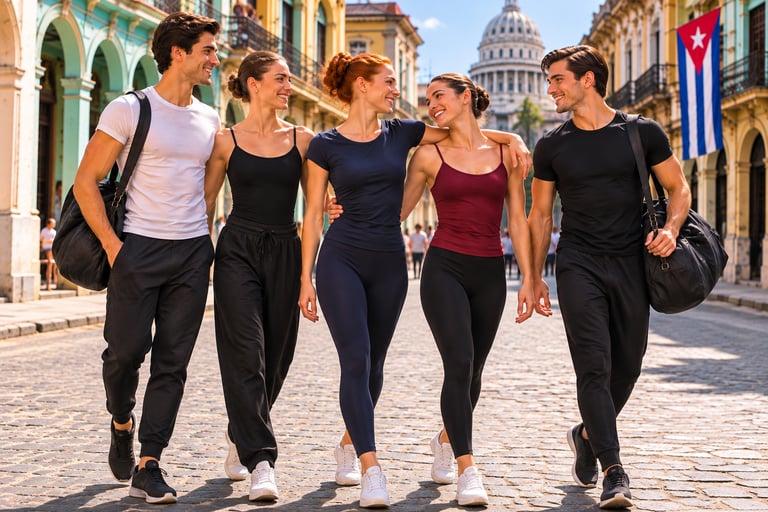 For several years afterward the two schools stayed close. De Saá taught on the summer faculty, Cuban dancers joined each summer class, and the Sarasota school planned student trips to Havana. The organized exchange ended in 2017, according to later reporting. Seidman attributes its end to changes in political leadership in both countries and to the withdrawal of support for Cuba's government-run ballet system.
The relationship has outlasted the program. It survives in the curriculum de Saá adapted, in dancers like Harold Mendez who came to Sarasota through her, and in a faculty and company led almost entirely by artists trained in Cuba. The school has not only preserved a technique. It has kept that technique reaching new students, from Sarasota and from overseas.
Sarasota's wider dance community includes other independent schools and The Sarasota Ballet, where the founders once performed. For a separate history of that professional institution, see John Acosta's feature, “The Sarasota Ballet: History, Dancers & Artistic Legacy”. The two organizations and their Nutcracker productions are distinct.
A performance ends. The final notes fade, the dancers take their bows, and the audience eventually leaves the theater.
Yet the work of a ballet school continues.
Students return to class. Teachers prepare new exercises. Rehearsals begin for another program. Some dancers will pursue professional careers on stages far from Sarasota. Others will carry ballet into entirely different lives, remembering the teachers who believed in them, the friendships formed along the way, and the moment something once difficult finally became possible.
Some may return to the studio decades later and discover that the music still feels familiar, that the joy of movement has never entirely left them.
For families, the milestones are smaller but no less meaningful: the first pair of ballet slippers, the anticipation before a performance, the pride of watching a child overcome a difficult challenge, and the memories created together along the way.
These moments may never appear in a professional dancer's biography. Yet they are part of the school's legacy all the same.
Because what endures beyond a performance is not simply the memory of what happened onstage. It is also the knowledge passed from teacher to student, the encouragement that helped someone believe in themselves, and the love of an art form that continues long after the final curtain falls.
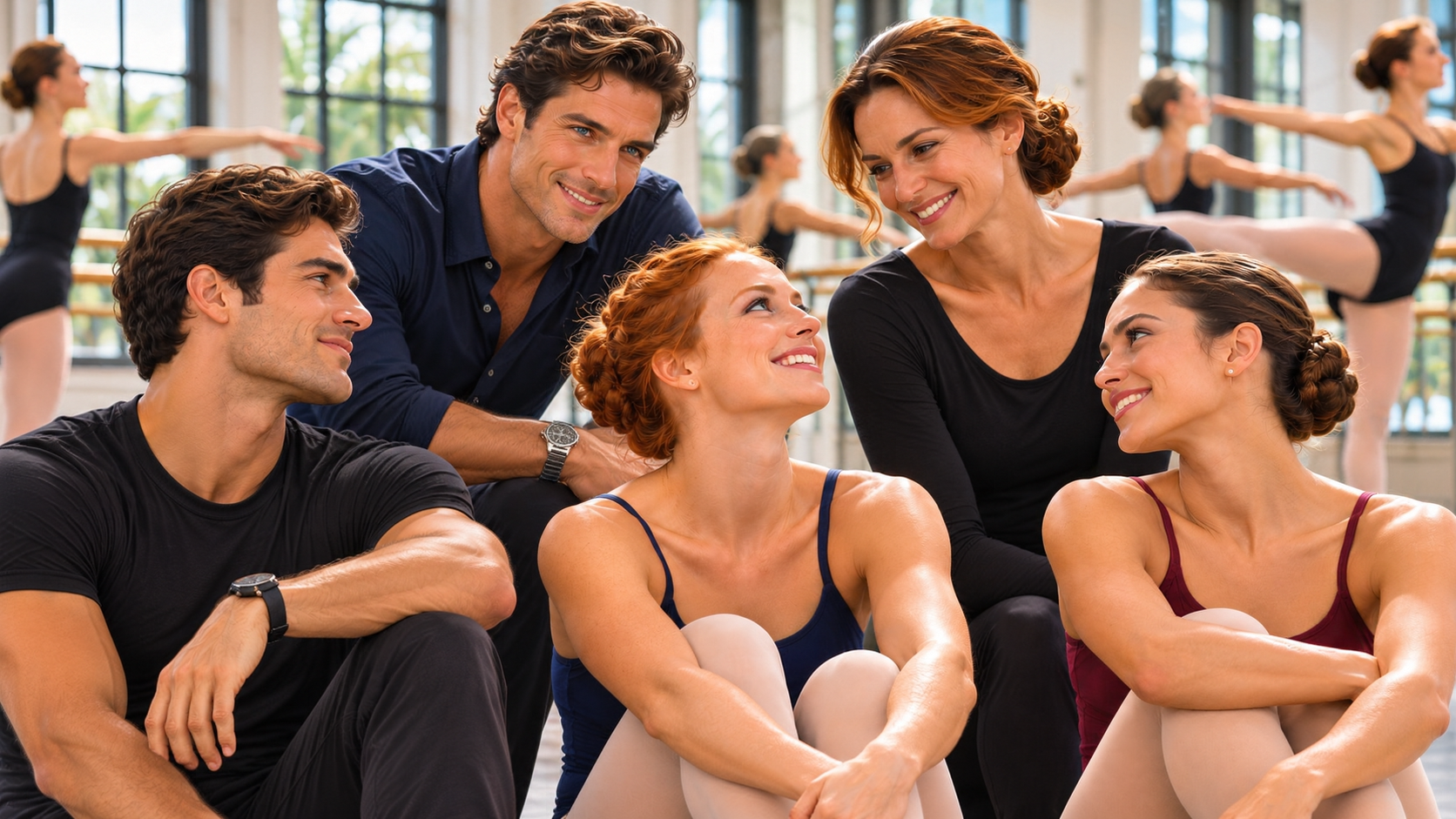 When Ariel Serrano and Wilmian Hernández established Sarasota Cuban Ballet School, they brought with them an artistic inheritance shaped by their teachers, their professional careers, and their personal experiences.
The institution that developed from those beginnings has helped carry that inheritance into another generation.
It preserves what came before, not by keeping it unchanged behind glass, but by teaching it to people who will carry it somewhere new.
John Acosta is a Real Estate Advisor with Fine Properties, serving Sarasota, Manatee County, and the greater Tampa Bay region. A participant in Sarasota's performing arts community, he writes about the people, places, institutions, and traditions that contribute to Florida's Gulf Coast.
This is an independent editorial feature. John Acosta Real Estate is not affiliated with, sponsored by, or officially endorsed by Sarasota Cuban Ballet School. Personnel and performance schedules may change. Editorial review: November 25, 2026.
Editorial Image Disclosure: This article includes illustrated/generated editorial images created for visual storytelling. These images are artistic representations and should not be interpreted as actual photographs of the individuals, locations, historical events, or performances described. Any authentic photographs or third-party media remain credited to their respective sources.